But there is something missing.
Inside the barn are numerous rooms filled with approximately 27,000 hammers. Fulton, who calls himself the “Hammer Nut,” is a hammer collector and has been collecting hammers for over 50 years. It all began when he attended an auction as a young man because he needed tools. A hammer was pulled out of a bucket and he bid on it. The rest is history.

Fulton relaxes in the building that is the most recent barn addition for his hammer collection.
As his collection grew, Fulton realized he needed a system to keep track of his hammers. Together, he and his wife, Karen, created an organizational system. After purchasing a hammer, Fulton would write down its name, use, where he bought it and how much he paid for it. His wife would take a photo of the hammer and catalog it in the computer along with its information. They created a coding system to keep track of each hammer as the collection grew.
Because of this, every hammer in Fulton’s barns has its own tag with its name, use, where it came from and its own code. This code enables Fulton to look up each hammer in his system and access more information about it.
Click on a hammer to learn more about it
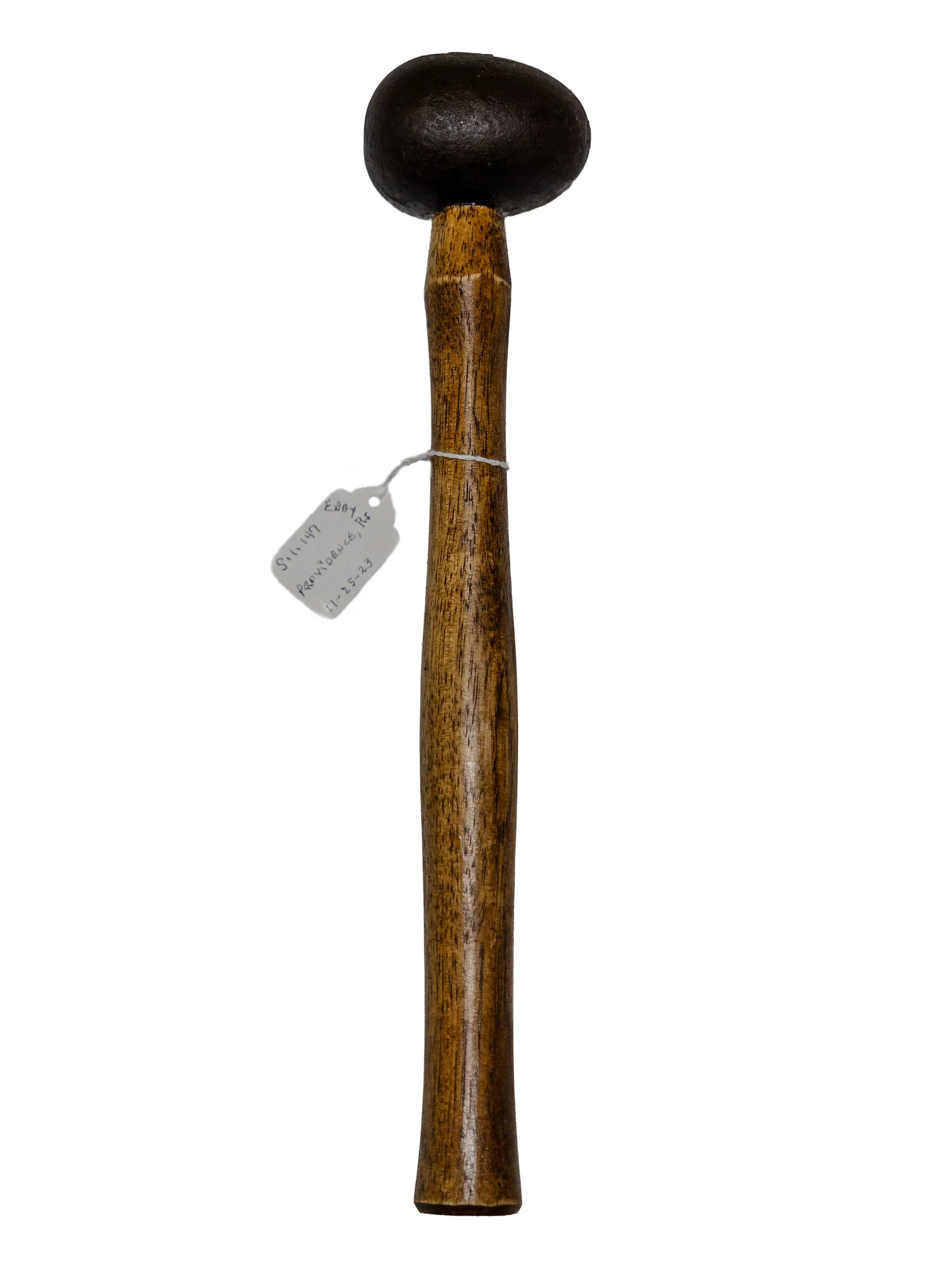
Leatherworking Hammer
These hammers feature a rounded head to prevent leather from marring. This type of hammer is used for forming leather, sharp folds, tapping stitches and lace, and more.
Source
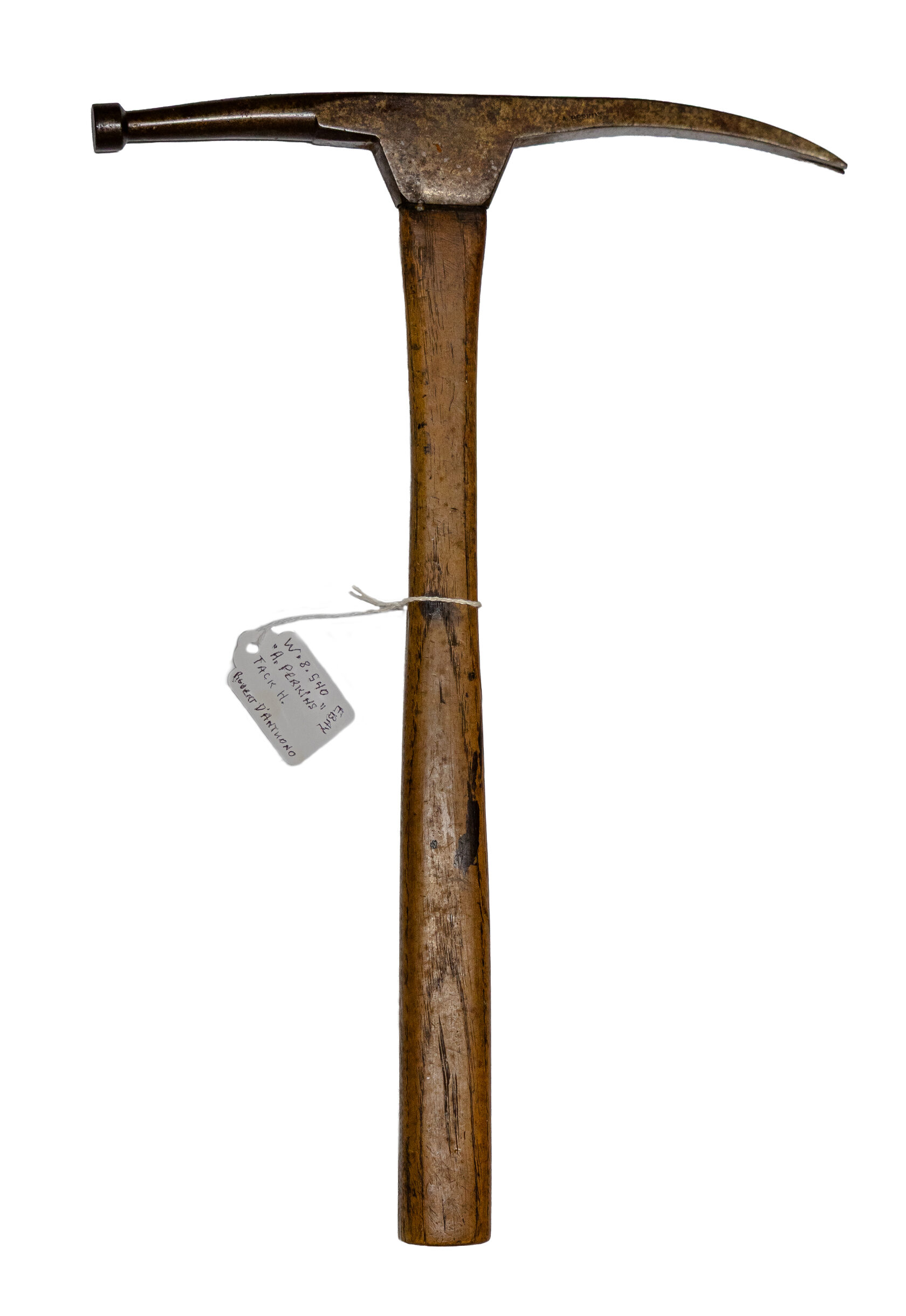
Tack Hammer
These hammers are usually smaller as they are used for small nails and tacks. They are typically used for upholstery.
Source
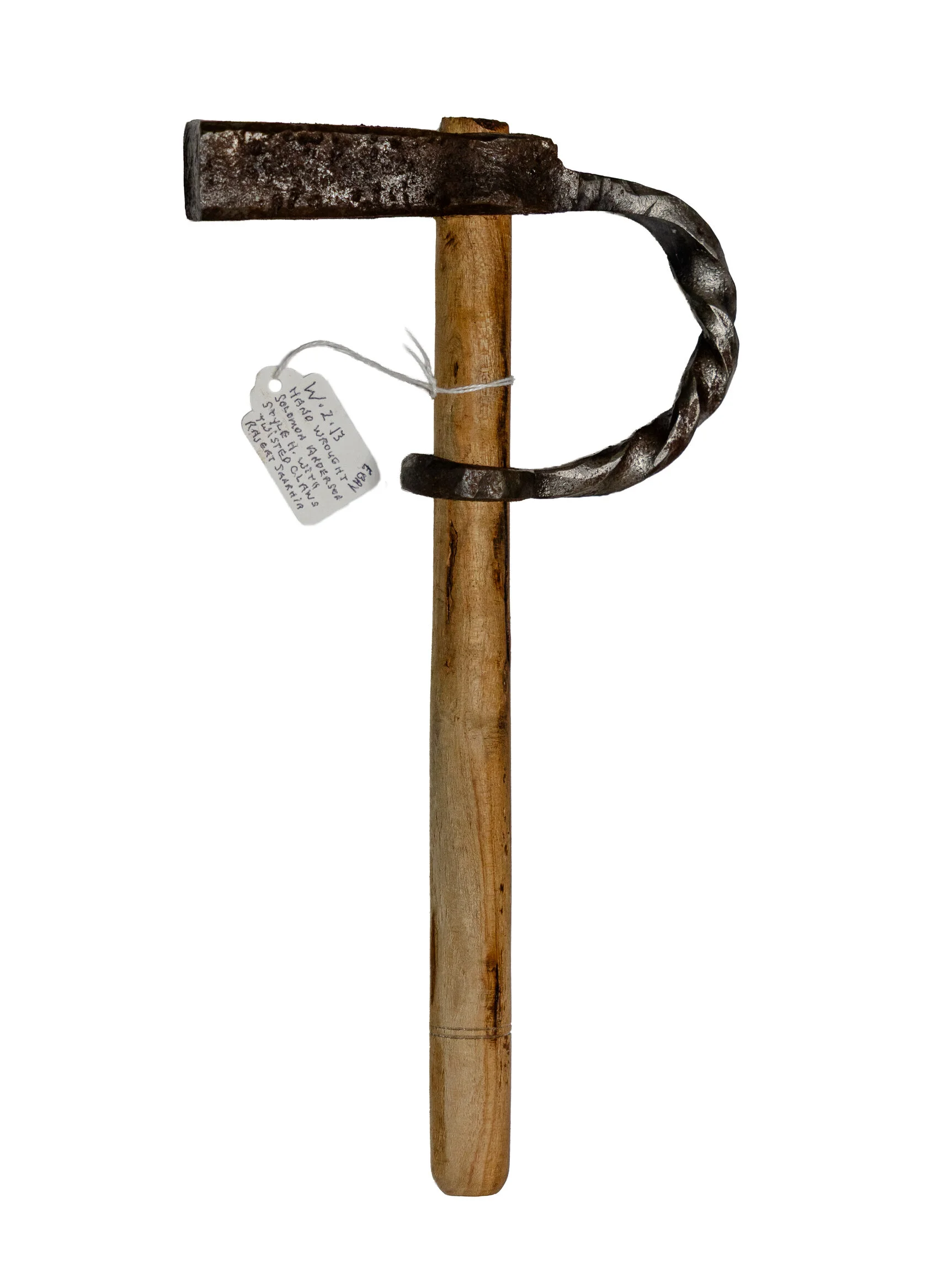
Solomon Anderson Hammer
This is a rare specialty hammer. The wraparound design prevents the handle from loosening or breaking. It is typically used for carpentry.
Source
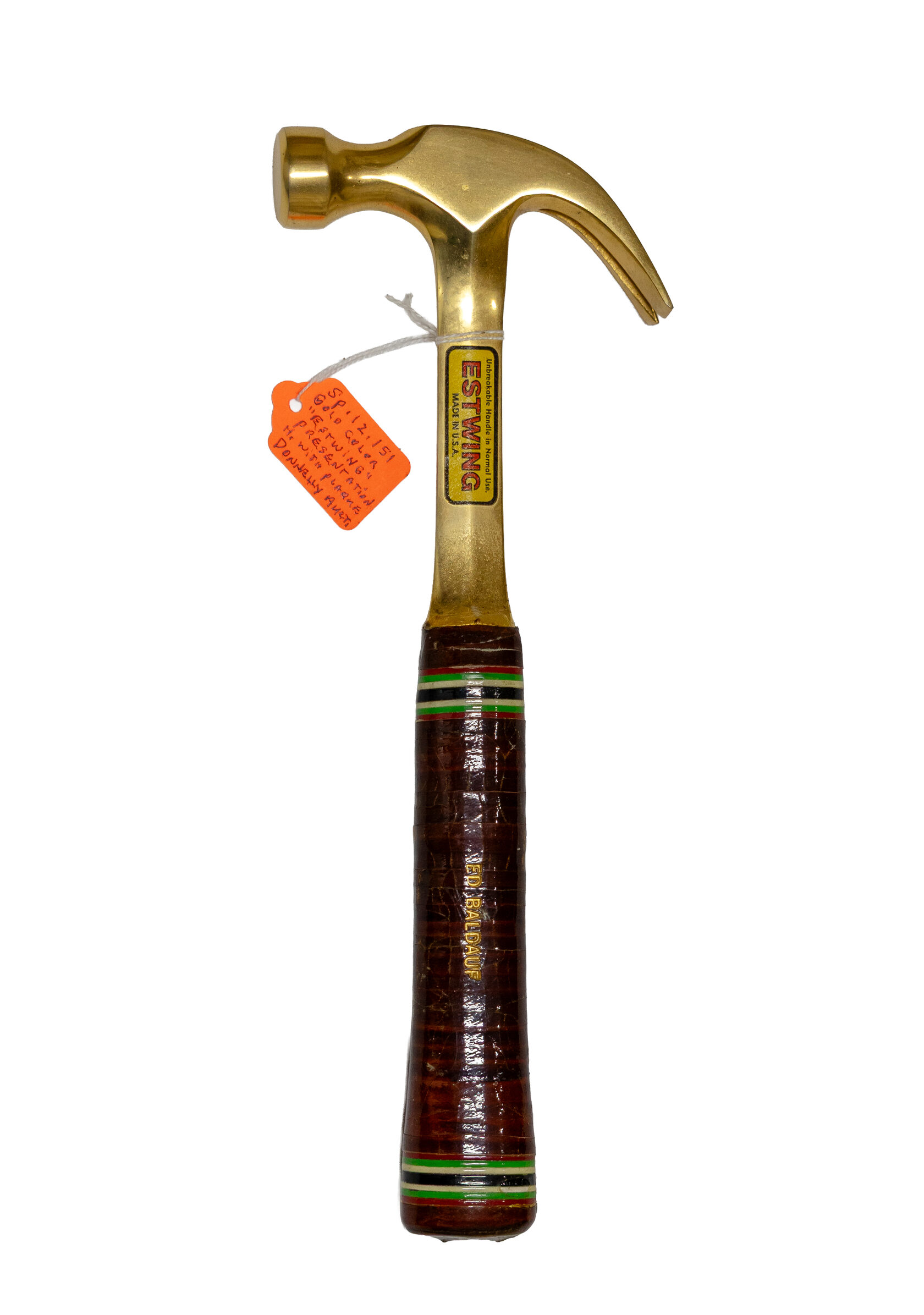
Claw Hammer
These are the most widely used hammers. One side of the head is used to hammer nails, while the other is used to extract nails. This specific hammer is a specialty Estwing hammer.
Source
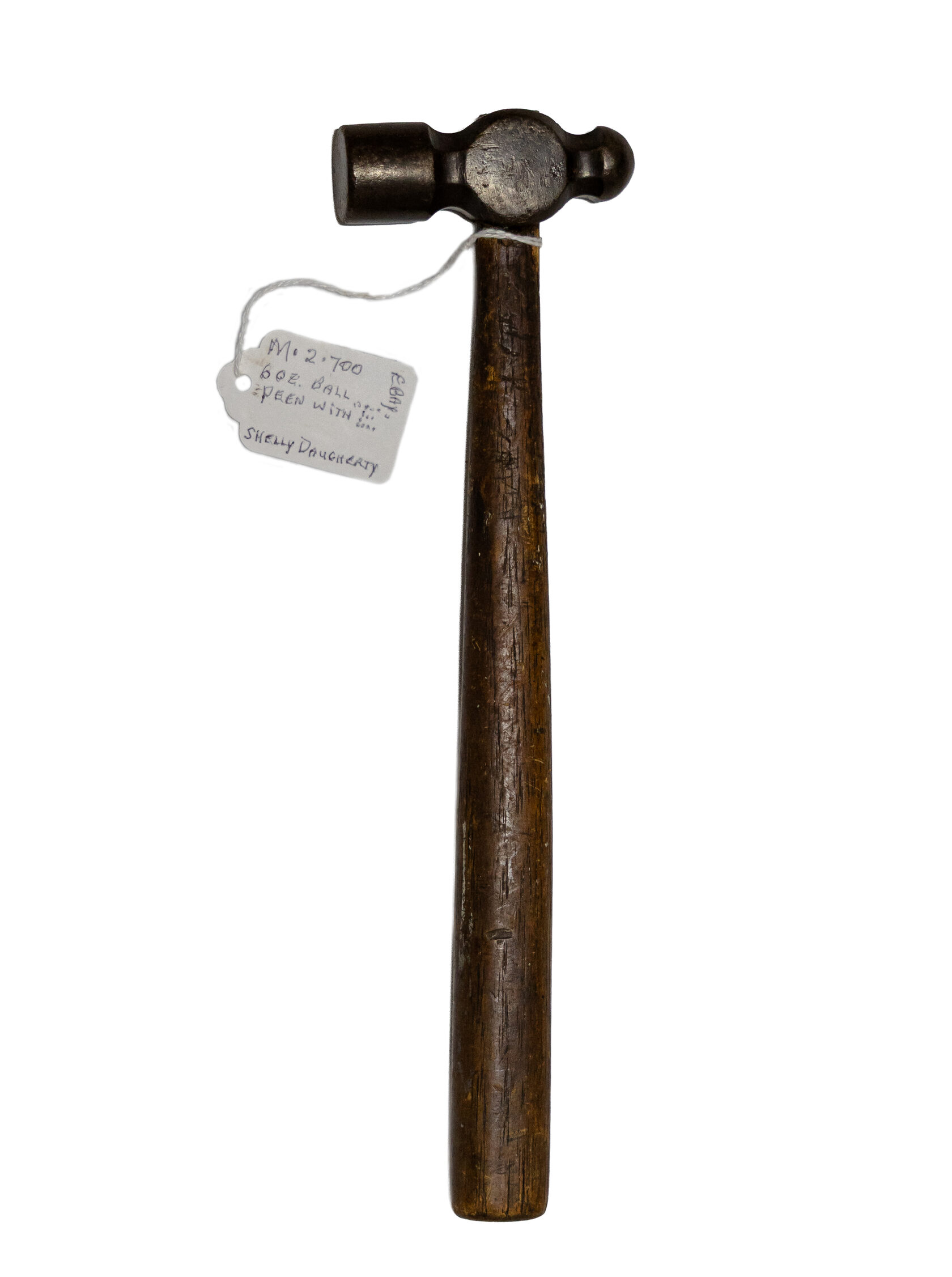
Ball-Peen Hammer
These hammers feature a smaller head with a flat impact area on one side and a rounded head on the other side. This type of hammer is used in metalworking for tasks like riveting.
Source
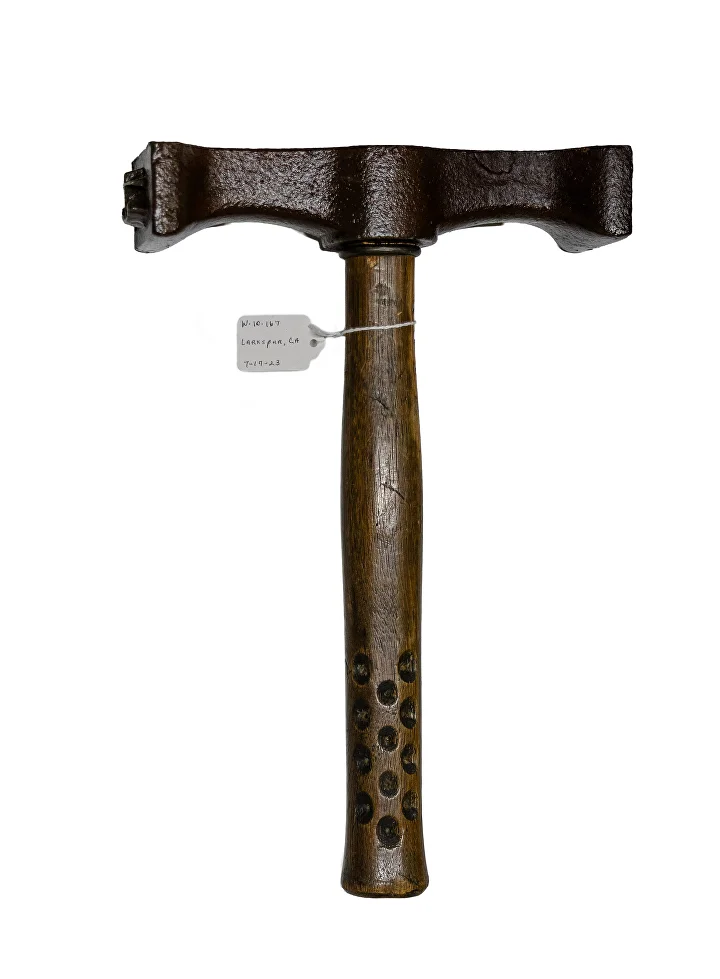
Marking Hammer
These feature a custom symbol or character on one end of the head. They are used for marking or stamping leather, wood, or metal for identification purposes.
Source
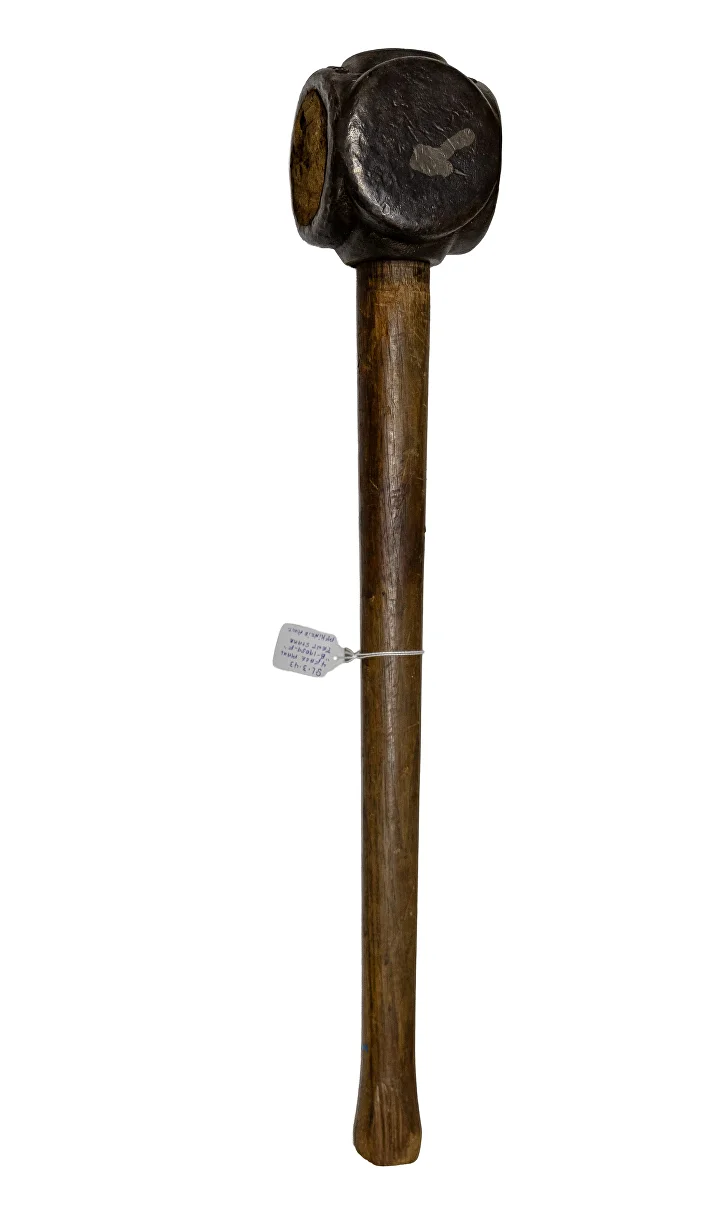
Maul Hammer
These hammers are heavy and made to prioritize power over precision. They are most commonly used for driving posts, fences, and stakes. This particular hammer is a four-faced maul.
Source
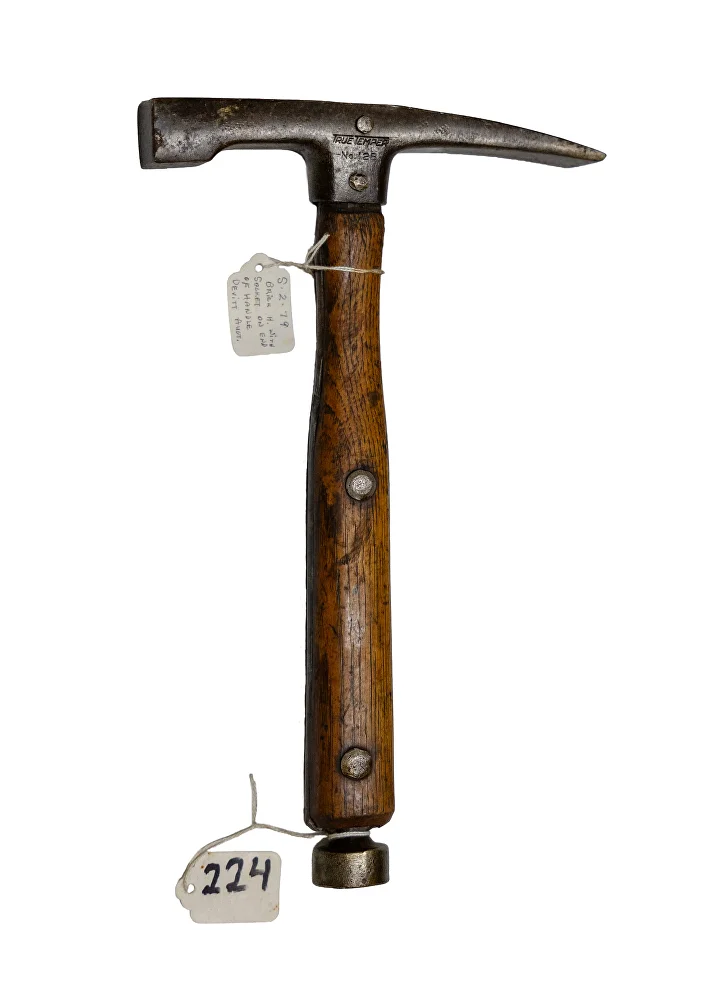
Brick Hammer
These hammers have a blunt end on one side of the head and a chisel-shaped end on the other. Often called stonemasons’ hammers because they are used to split stones and do other masonry work. Source
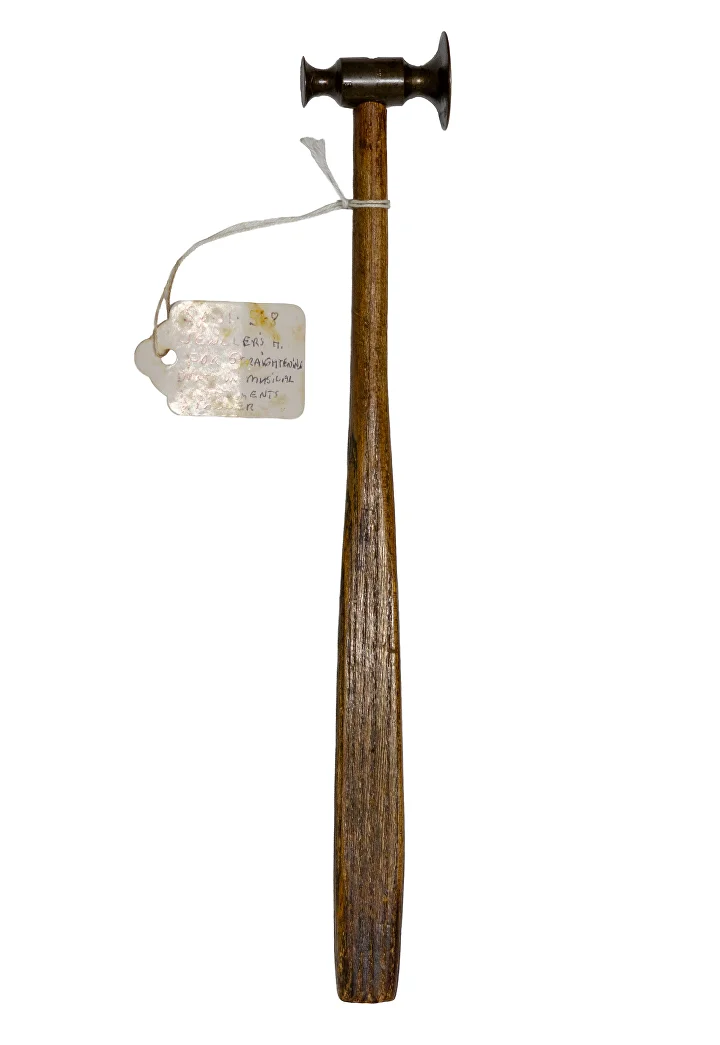
Jeweler’s Hammer
These hammers are usually smaller as they are used for small nails and tacks. They are typically used for upholstery.
Source
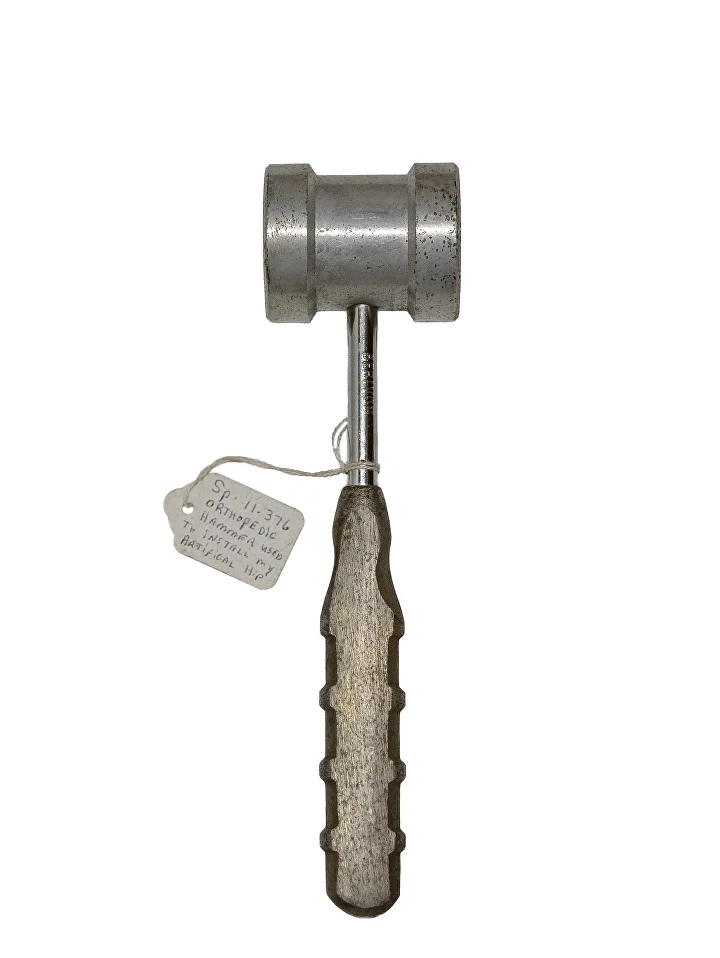
Orthopedic Mallet
These are specialized medical tools used by surgeons in orthopedic surgery. This specific hammer was used for Fulton’s hip replacement in 2004.
Source
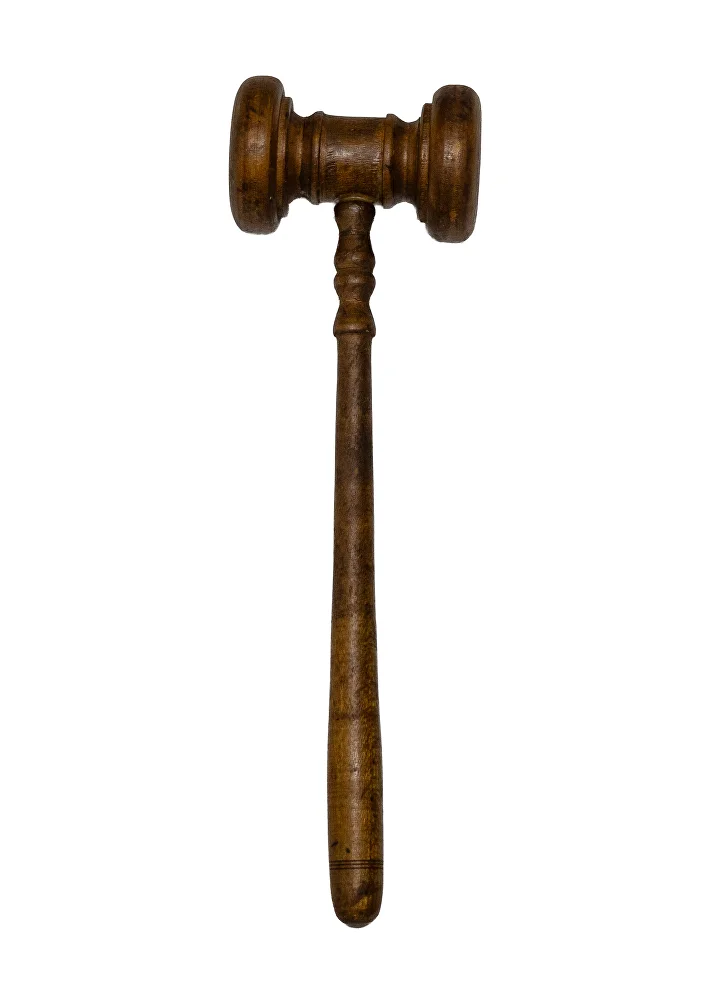
Gavel
These small hardwood hammers are designed to gain the attention of crowds. They are commonly used by auctioneers, judges, and at large meetings.
Source
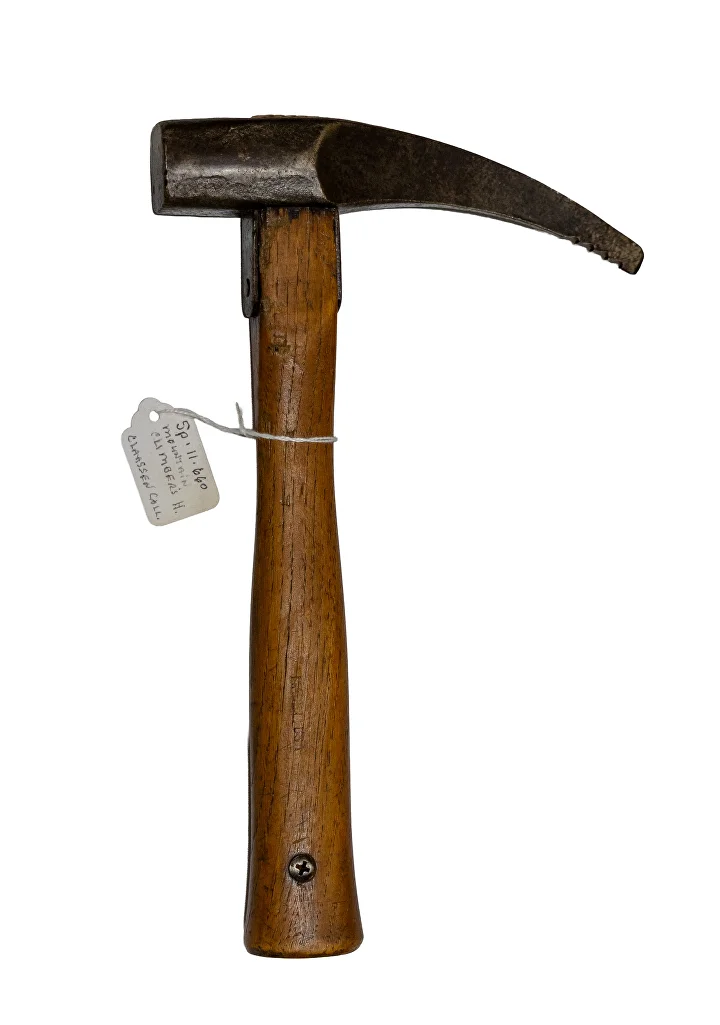
Alpine Hammer
These are specialized ice axes, featuring a hammerhead on one end and a pick with sharp teeth on the other. They are used for mountaineering and ice climbing.
Source
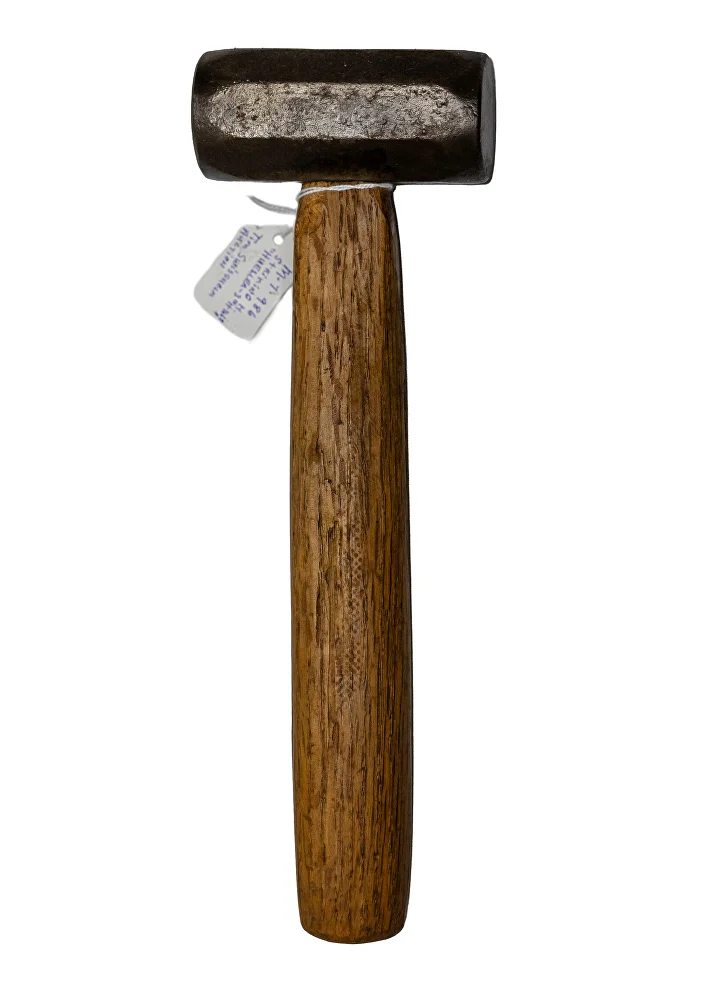
Blacksmith Hammer
These hammers are designed for multipurpose forging. Blacksmiths use it to bend and chip away at hot metal. This specific hammer is double-faced.
Source
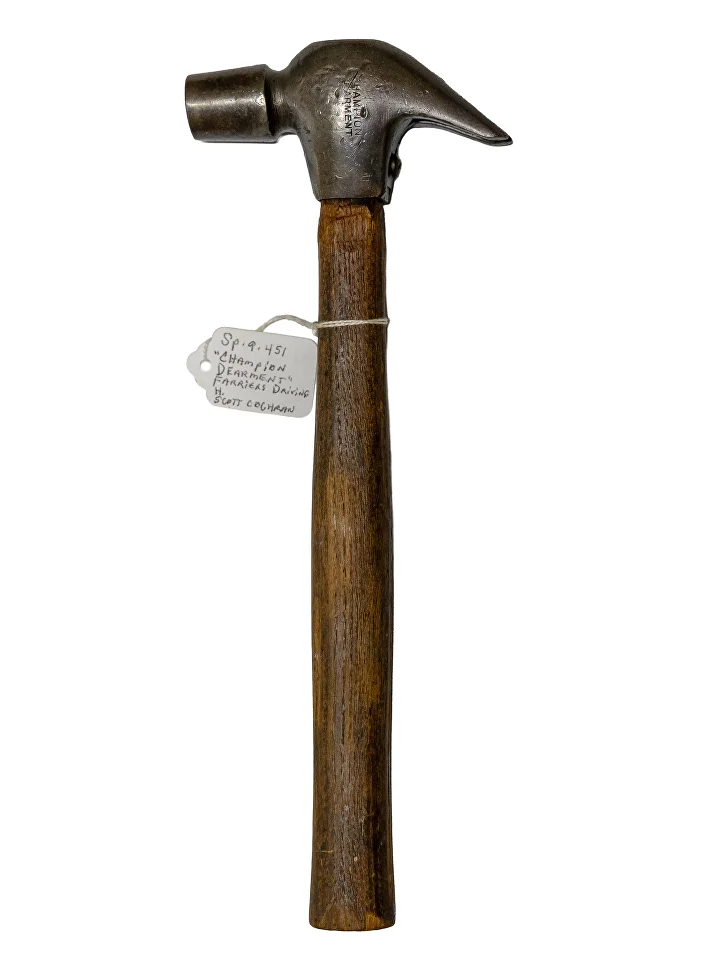
Farrier Hammer
These are used by farriers for horseshoes. There are two main types: driving hammers and rounding hammers. This particular hammer is a clean claw driving hammer.
Source
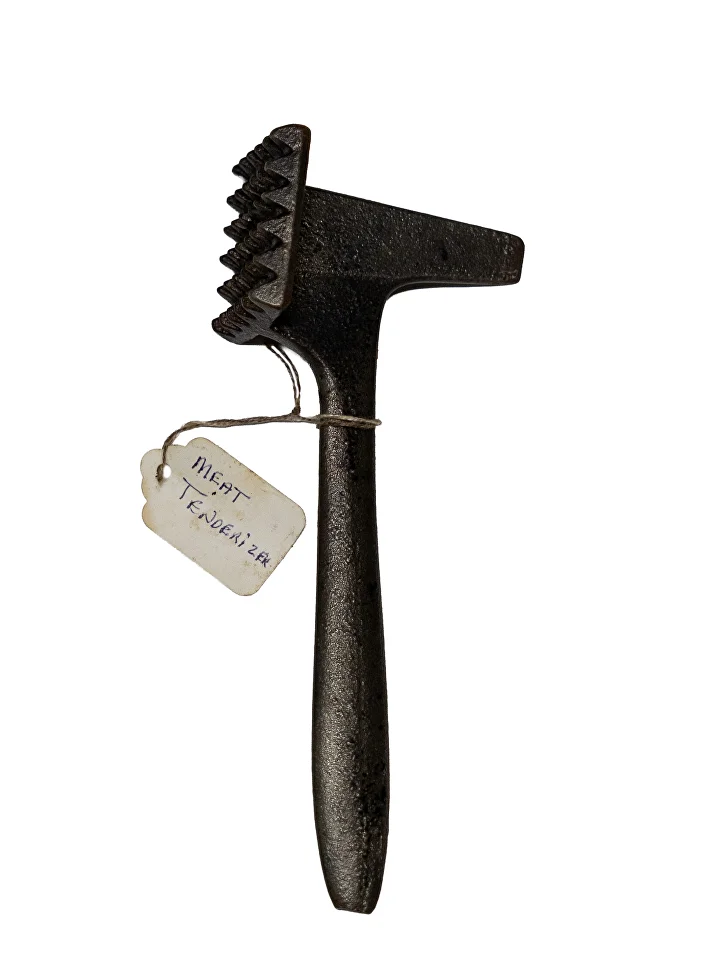
Meat Tenderizer Hammer
These are kitchen tools designed to soften meat. They feature a flat side that is used for pounding, and a spiked side that is used to break down tough muscle fibers.
Source

Fulton flips through "The Hammer: The King of Tools," a collector's handbook by Ron Baird and Dan Comerford. He uses this book to help keep track of his collection.
Fulton has also become friends with fellow hammer enthusiasts, including a man known for his hammer collection in Alaska. He has friends everywhere due to his decades spent traveling with his wife to various auctions around the country.
I like for people to know that there’s a hammer collection, and I think it’s the best in the world. But I’m not sure, because you never know what people have.
Fulton lost his wife of 60 years, Karen Fulton, who passed away due to health complications on Aug. 5, 2025.

A photo of Fulton's late wife, Karen, has a permanent resting spot on a table in front of Fulton's chair so that he can see her every day.
Loneliness after losing a spouse is a significant challenge people face, especially older widowers. Studies have found that the loneliness one experiences as a result of losing a spouse is an even greater challenge than the social isolation and lack of social support in widowhood. This impact is felt more by men, who experience higher levels of loneliness than women at every stage in widowhood.
Loneliness After Spousal Loss
Drag the slider to see how loneliness increases for women and men over time after losing a spouse.
- 68%Women's likelihood of loneliness increased by widowhood.
The Journals of Gerontology - 155%Men's likelihood of loneliness increased by widowhood.
The Journals of Gerontology

Karen's piano sits unplayed in the Fultons' house. Her husband loved listening to her playing it and singing.
There is an increased risk of mortality after losing a spouse, especially in the months immediately following the loss.
Click on arrow to hear their story
“Oh, I got some memories. That’s all I’ve got,” Fulton said.

Though the loss in his wife of 60 years has been devastating, he still finds some hope surrounded by his vast collection of hammers.